
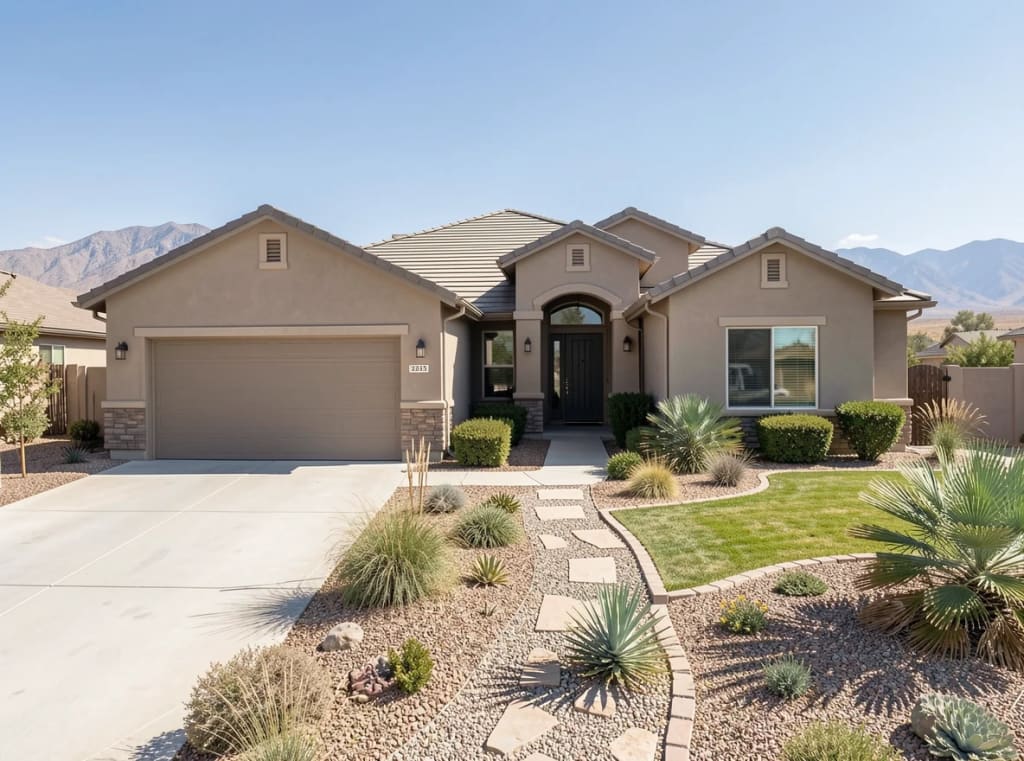
Sparks vs. Reno: Which City Fits a $500K to $800K Move-Up Budget Best
Sparks vs. Reno: Where Does a $500K to $800K Move-Up Budget Go Further?
For buyers ready to take the next step, the Reno-Sparks conversation usually gets interesting fast. A move-up budget in the $500,000 to $800,000 range can unlock dramatically different lifestyles depending on which side of the city line feels more like home. Some households want more square footage and a quieter neighborhood rhythm, while others are chasing a shorter commute, stronger school options, or that unmistakable sense of being close to everything.
In Northern Nevada, that budget range is meaningful. It often moves buyers out of starter-home compromises and into properties with larger lots, updated interiors, flexible bonus rooms, and better access to parks, trails, and everyday conveniences. The real question is not simply which city is “better,” but which one lines up with how you want to live now and a few years from now.
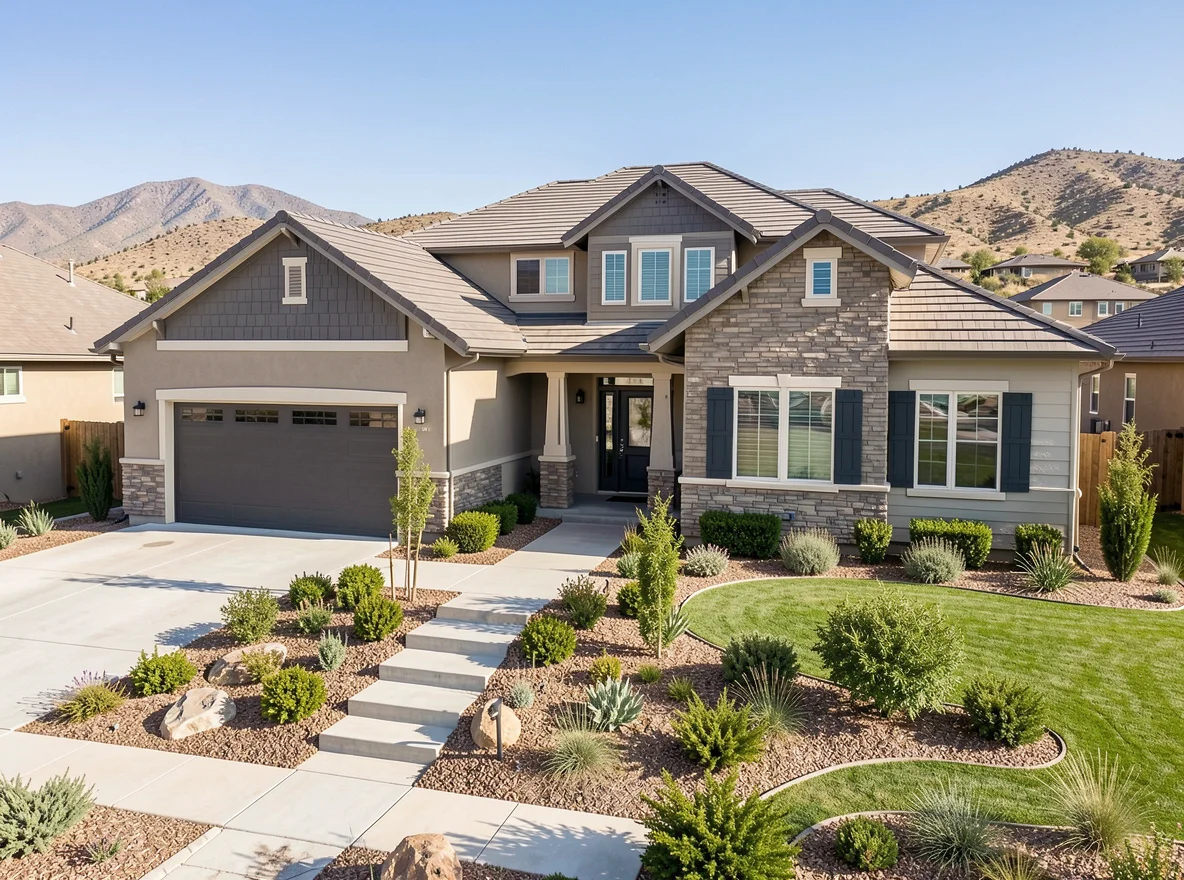
Sparks often wins on value per square foot. Buyers in the lower to middle part of this range frequently find newer subdivisions, more generous floor plans, and homes designed for modern living. Think open kitchens, lofts, three-car garages in some neighborhoods, and backyards that feel more usable for entertaining or family time. Areas in Sparks can be especially appealing for households that want a practical upgrade without stretching to the top of their comfort zone.
That does not mean Sparks is only about price. It has built a strong identity of its own, with growing neighborhoods, access to recreation around the marina area, and an everyday pace that many buyers describe as easier and more residential. For people who want a home that feels fresh, functional, and neighborhood-centered, Sparks can make a compelling case. A budget near $600,000 or $700,000 may secure the kind of space in Sparks that would require trade-offs in Reno.
Reno, on the other hand, tends to offer more variety. In this budget band, buyers may choose between established neighborhoods with mature trees, homes closer to central employment centers, or foothill communities with elevated views and quick access to trails. The trade-off is that pricing can be less forgiving, especially in highly sought-after pockets. You may pay more for location, school proximity, or neighborhood character rather than pure size.
What Lifestyle Differences Matter Most?
If your move-up goals include convenience, Reno deserves a close look. It often appeals to buyers who want to be nearer to major medical hubs, the university area, business corridors, and a broader mix of dining and entertainment options. That can make daily life feel smoother, especially for professionals balancing work, school drop-offs, and weekend plans. In some Reno neighborhoods, the “less driving, more doing” factor is worth a premium.
By contrast, Sparks often feels more straightforward for buyers who prioritize neighborhood continuity. Many communities are laid out with parks, walking paths, and newer residential patterns that attract households looking for predictability and room to grow. There is also a strong sense among many buyers that Sparks delivers a little more breathing room, both in the home itself and in the pace of life around it.
Schools can also influence the decision. Specific school assignments always need to be verified, but both cities include neighborhoods that attract move-up buyers focused on education quality and long-term resale appeal. What matters most is narrowing the search by school boundaries, commute demands, and housing style rather than assuming one city universally outperforms the other. This is exactly where local guidance becomes valuable, because small geographic shifts can change price, inventory, and daily convenience significantly.

Recreation is another separator. Reno offers excellent access to trail systems, established districts, and a mix of urban energy and outdoor opportunity. Sparks brings its own advantages with family-friendly amenities, community events, and quick routes toward open space and regional recreation. Either way, buyers in this range are not just purchasing bedrooms and bathrooms; they are buying into routines, habits, and the feel of weekends.
For many households, the deciding factor comes down to how they define “move-up.” If that means more house, Sparks can be the better fit. If it means more location flexibility, Reno may be worth paying for. Neither answer is wrong. It is simply about where your dollars create the best blend of comfort, convenience, and future potential.
How the $500K to $800K Range Typically Plays Out
At roughly $500,000 to $600,000, buyers are often comparing a solid, attractive home in Sparks against a smaller or older option in Reno. That might mean choosing between a newer build with contemporary finishes and a more centrally located property that needs some cosmetic updating. As budgets rise into the $650,000 to $800,000 range, the conversation shifts. More Reno neighborhoods open up, and the gap in size or condition may narrow depending on inventory and seasonality.
This is also where market timing matters. Northern Nevada inventory can vary enough that one month Reno feels expensive and tight, while the next month Sparks has fewer appealing options in a particular school zone. Buyers who watch the market with an experienced local agent tend to make stronger decisions because they can identify not just asking prices, but actual patterns in value. Jessica Shirey’s longtime Reno-area experience is especially useful here, since move-up buyers need more than listing alerts; they need context on which neighborhoods hold their appeal and which trade-offs are worth making.
Resale should not be overlooked either. Homes in both cities can perform well, but future demand often depends on neighborhood reputation, access, condition, and floor-plan usability. A beautifully updated home in a practical Sparks location may outperform expectations, just as a well-positioned Reno property can retain strong appeal because of convenience and community identity. The smartest purchase is usually the one that fits your life now and will still make sense to the next buyer later.
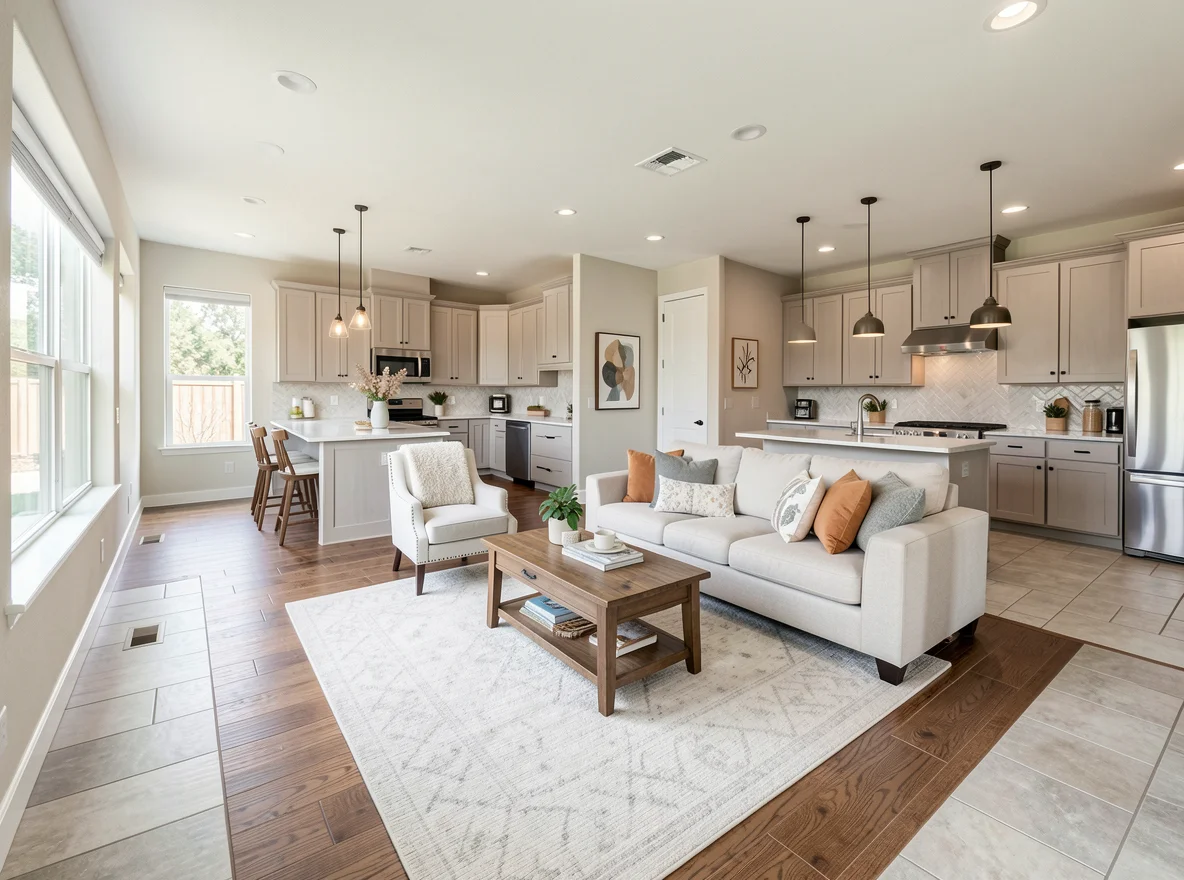
One more subtle point: lifestyle costs extend beyond the mortgage. Commute time, renovation needs, HOA structures, utility efficiency, and even how often you feel the need to leave your neighborhood for errands all shape your real monthly experience. Sometimes the “cheaper” house is not the better long-term value. Sometimes the home with less square footage is the one that delivers more peace and less friction.
That is why the Sparks-versus-Reno choice works best when approached as a personal fit question, not a scoreboard. Buyers upgrading within this range are usually at a stage where details matter more. Storage matters. School access matters. Entertaining space matters. So does the feeling you get when you pull into the driveway after a long day.
The Best City Is the One That Matches Your Next Chapter
A $500K to $800K move-up budget can open excellent opportunities in both Sparks and Reno, but it will not buy the exact same outcome in each. Sparks tends to shine for buyers seeking newer homes, more space, and strong day-to-day practicality. Reno often stands out for location diversity, established neighborhood character, and access to a wider range of amenities and employment centers.
If you are weighing both, the smartest next step is to compare real neighborhoods, not just city names. With a focused search strategy and local insight from Northern Nevada Home, you can quickly see where your budget stretches, where it holds value, and where it truly feels like home. In the end, the best move-up decision is not about choosing the more popular city. It is about choosing the place that supports the life you are building next.